
Herbs
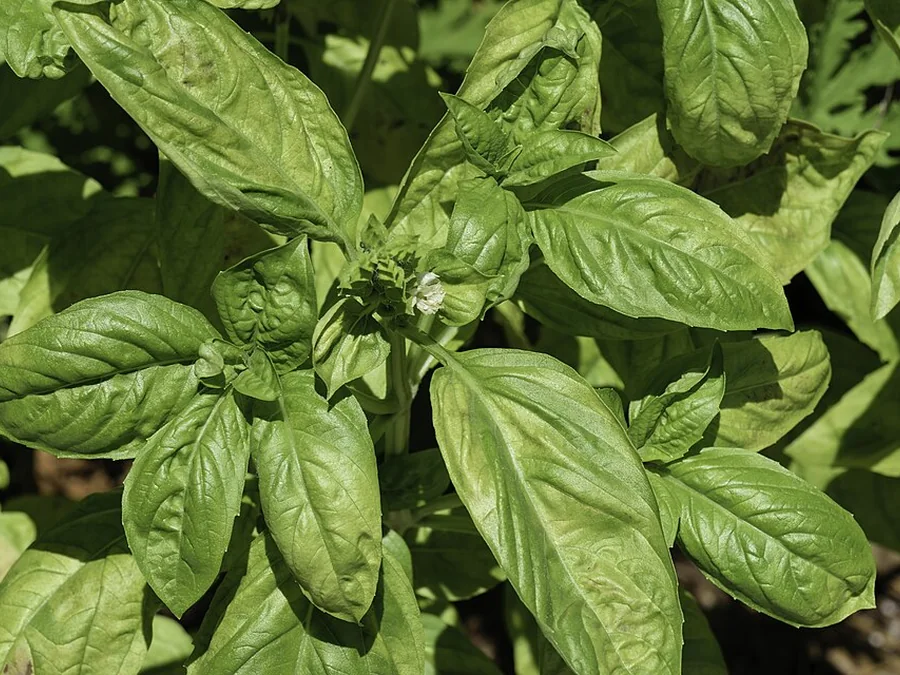
Basil
Inspect basil leaves, tender growing tips and stems before changing the feed. Leaf age and pattern help separate nutrition, watering and pest problems.
- Pale or yellow older leaves
- Brown or distorted tender growth
Visual Guide
Start with your crop, not a generic diagnosis. Compare leaf patterns, growing tips, fruit, pests and mould with guidance tailored to that plant.
Plant group
Compare leaf colour, growing tips, pests and mould on basil, mint, rosemary and coriander.
Herbs
Inspect basil leaves, tender growing tips and stems before changing the feed. Leaf age and pattern help separate nutrition, watering and pest problems.
Herbs
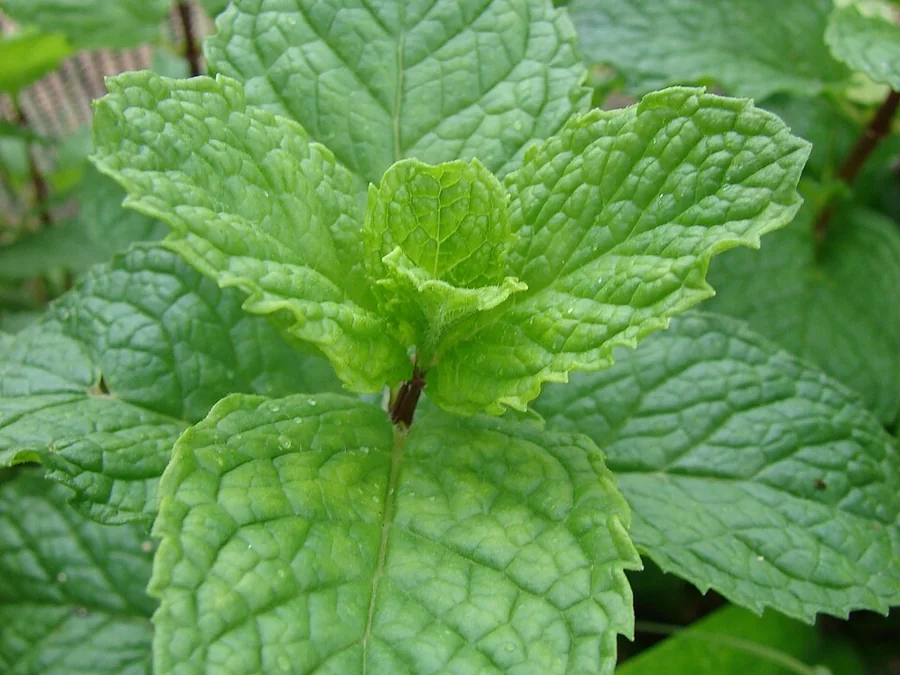
Use leaf age, moisture and the presence of insects to narrow down mint problems before treating the whole plant.
Herbs
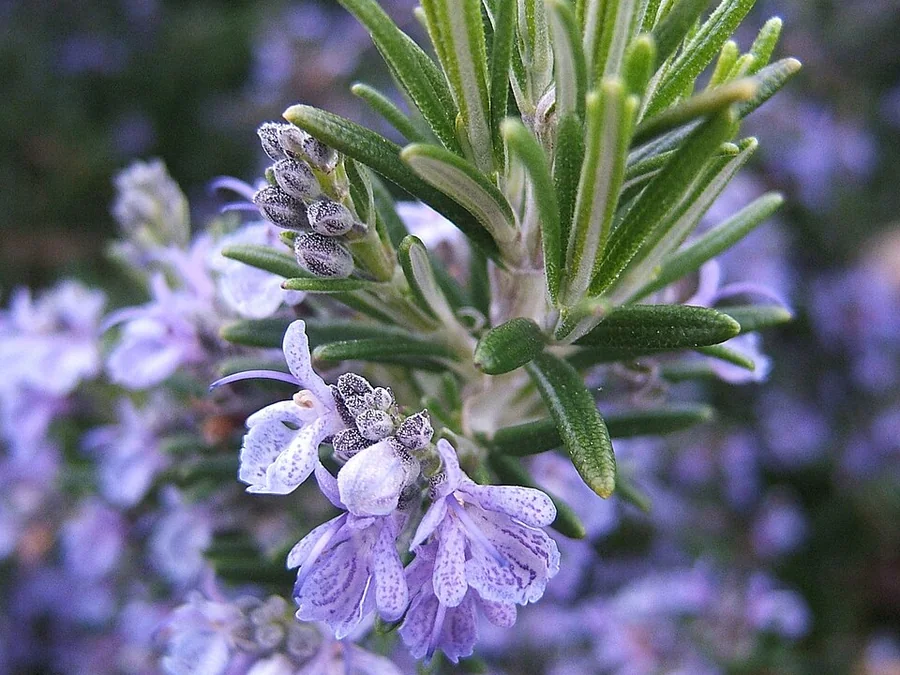
Rosemary symptoms can look similar when roots stay wet or nutrition is unbalanced. Check the root zone and new growth together.
Herbs
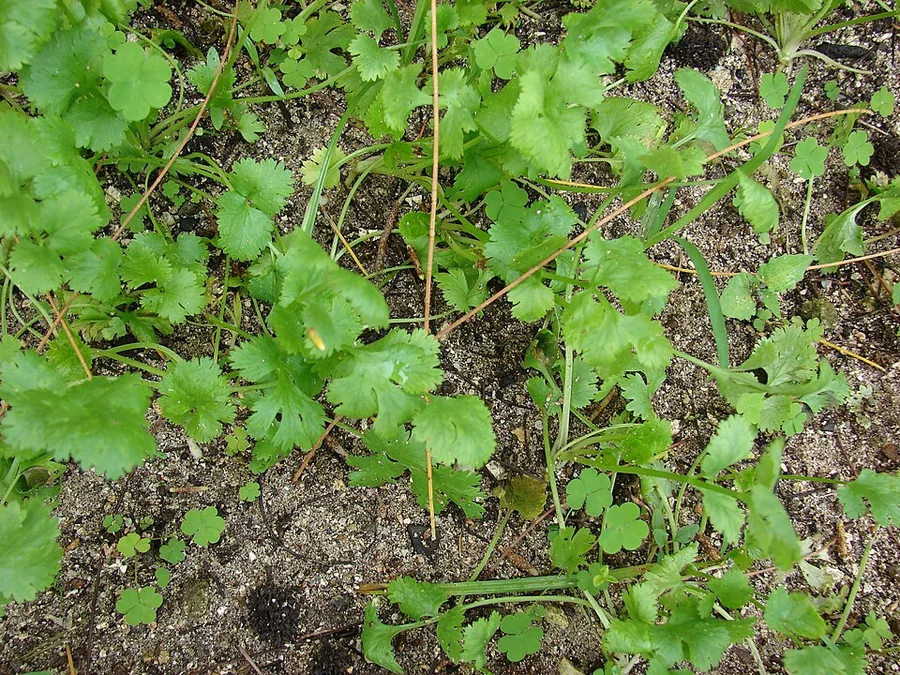
Check coriander for uneven yellowing, soft growth and sap-sucking insects. Compare older leaves with the newest growth first.
Plant group
Check leaves, developing fruit, pests and disease on tomatoes, peppers, melons and watermelons.
Fruits
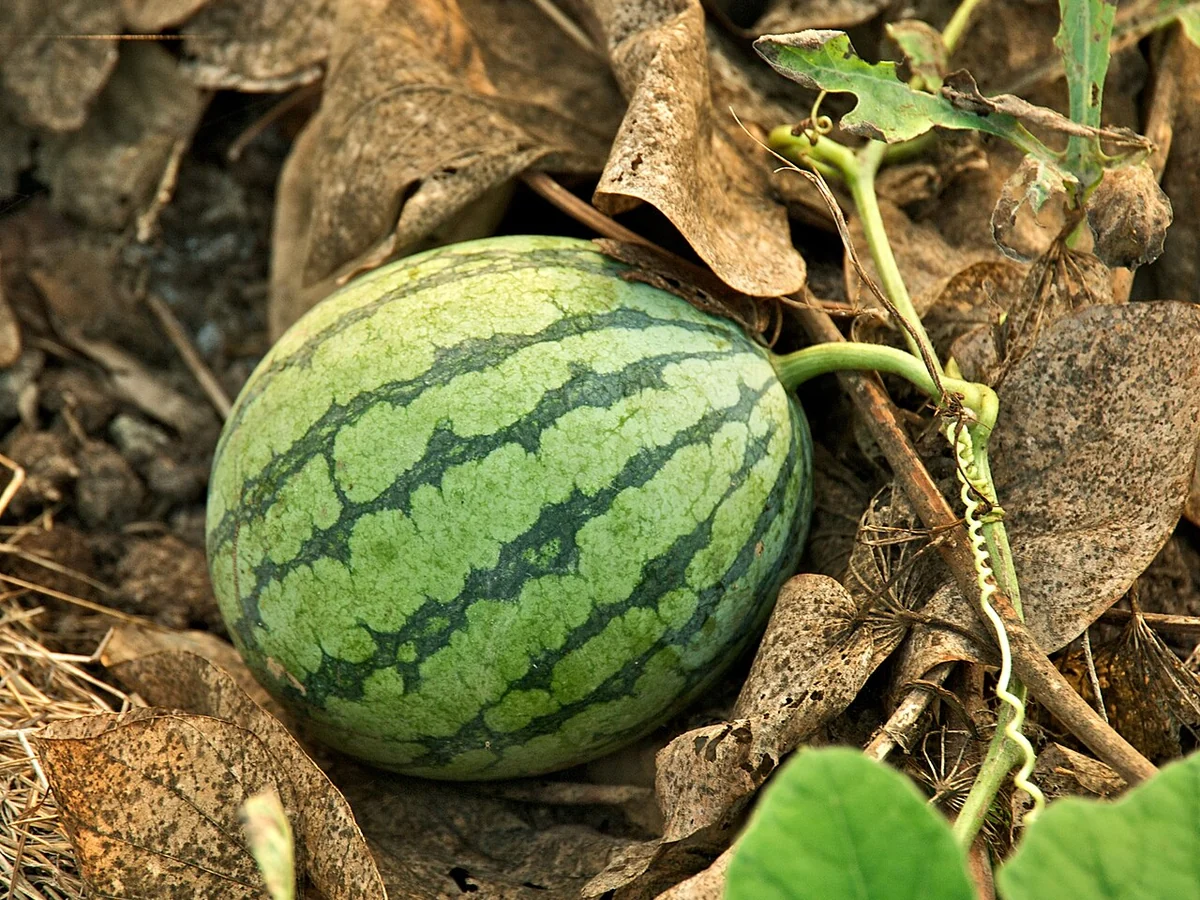
Inspect watermelon vines, older leaves and developing fruit. Leaf symptoms, watering and root conditions can all affect fruit development.
Fruits
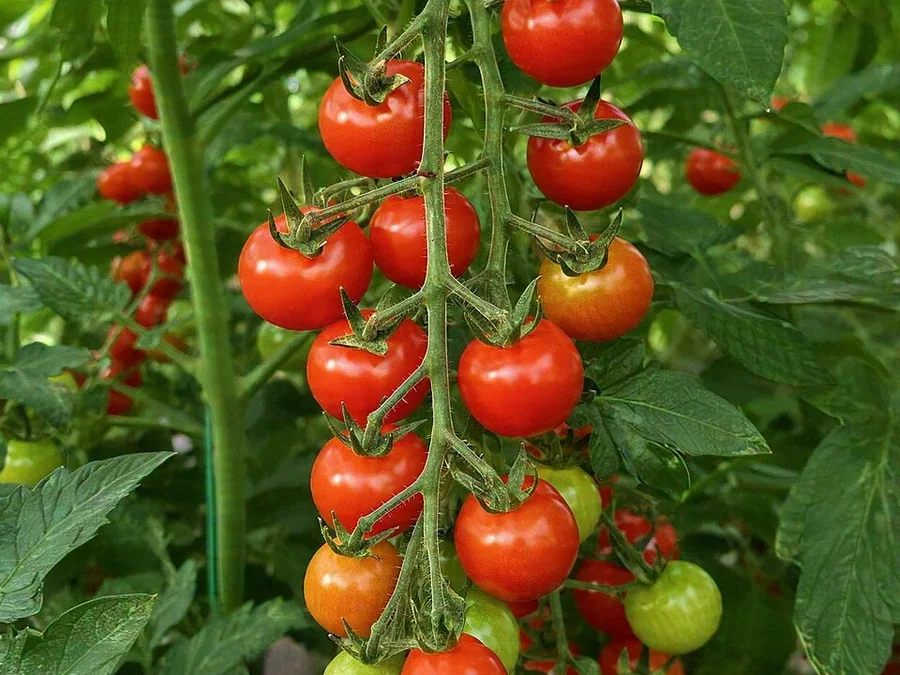
Compare tomato leaf symptoms with the condition of developing fruit and roots. Blossom-end rot and leaf yellowing can have more than one contributing cause.
Fruits
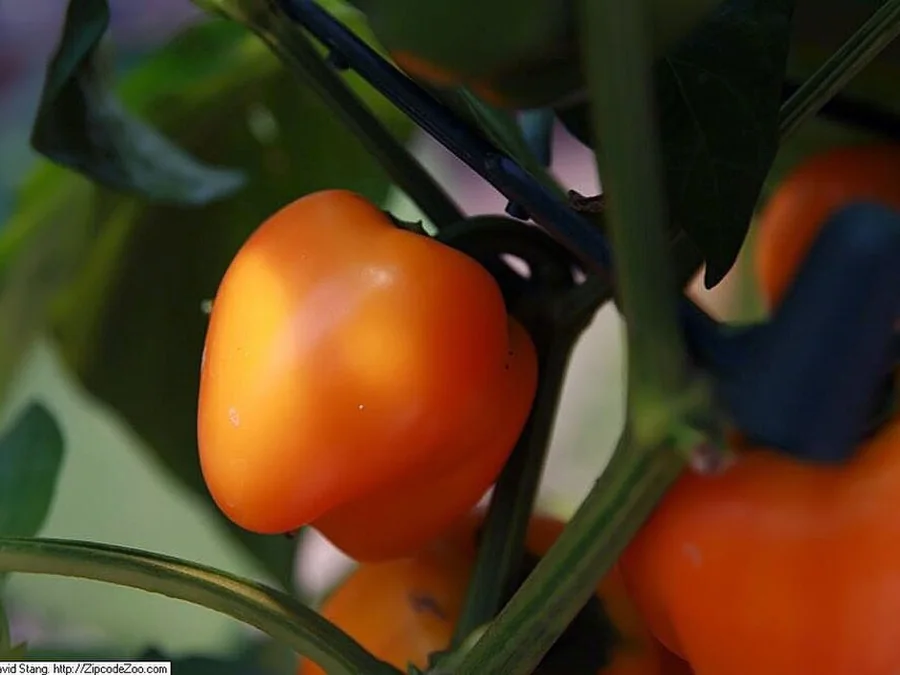
Inspect pepper leaves and fruit together, especially when new growth is distorted or developing fruit shows sunken damage.
Fruits
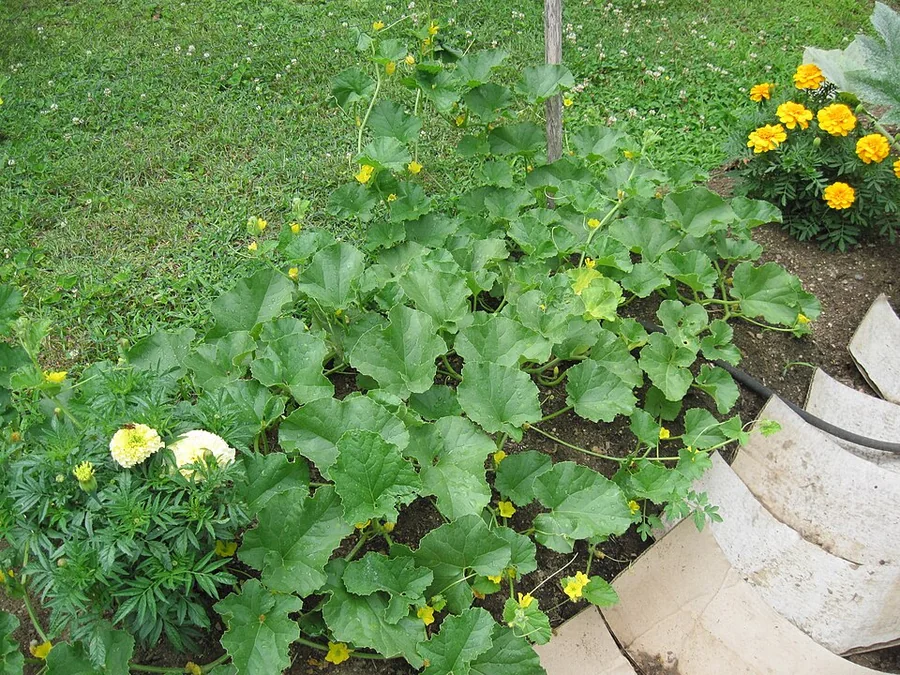
Check melon vines, older leaves, developing fruit and airflow. Powdery growth and fruit damage need different responses from a simple feed adjustment.
Plant group
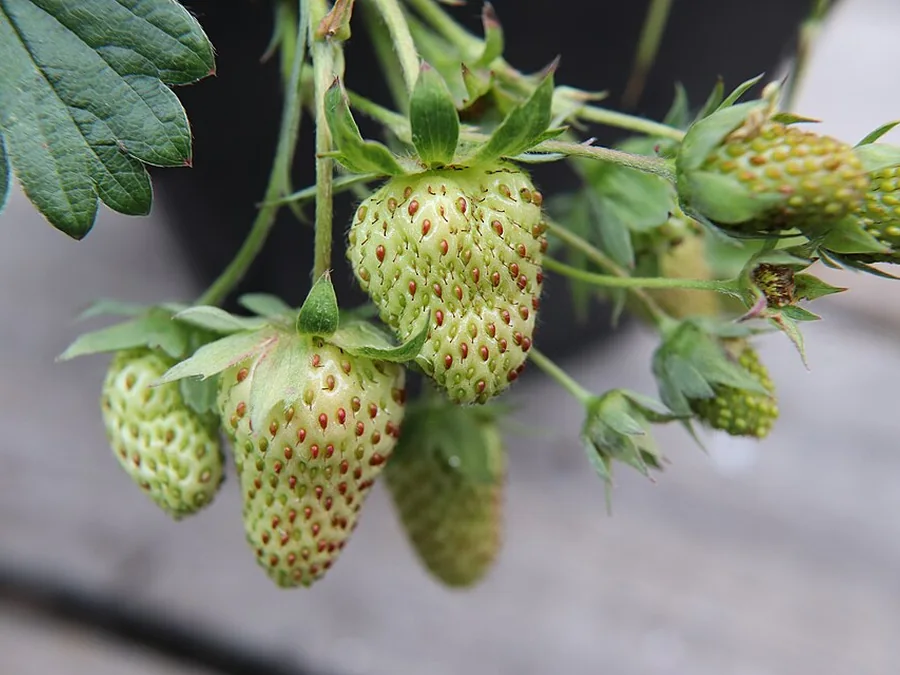
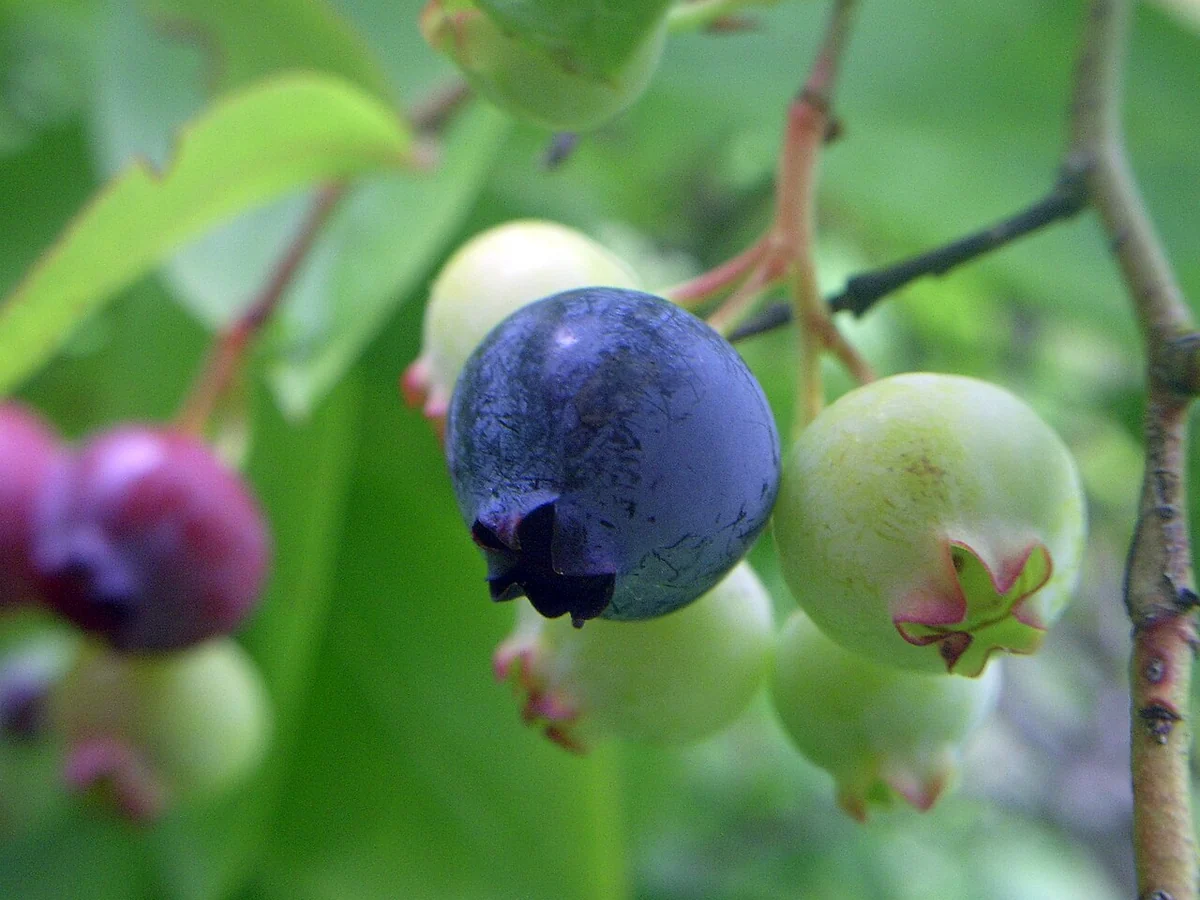
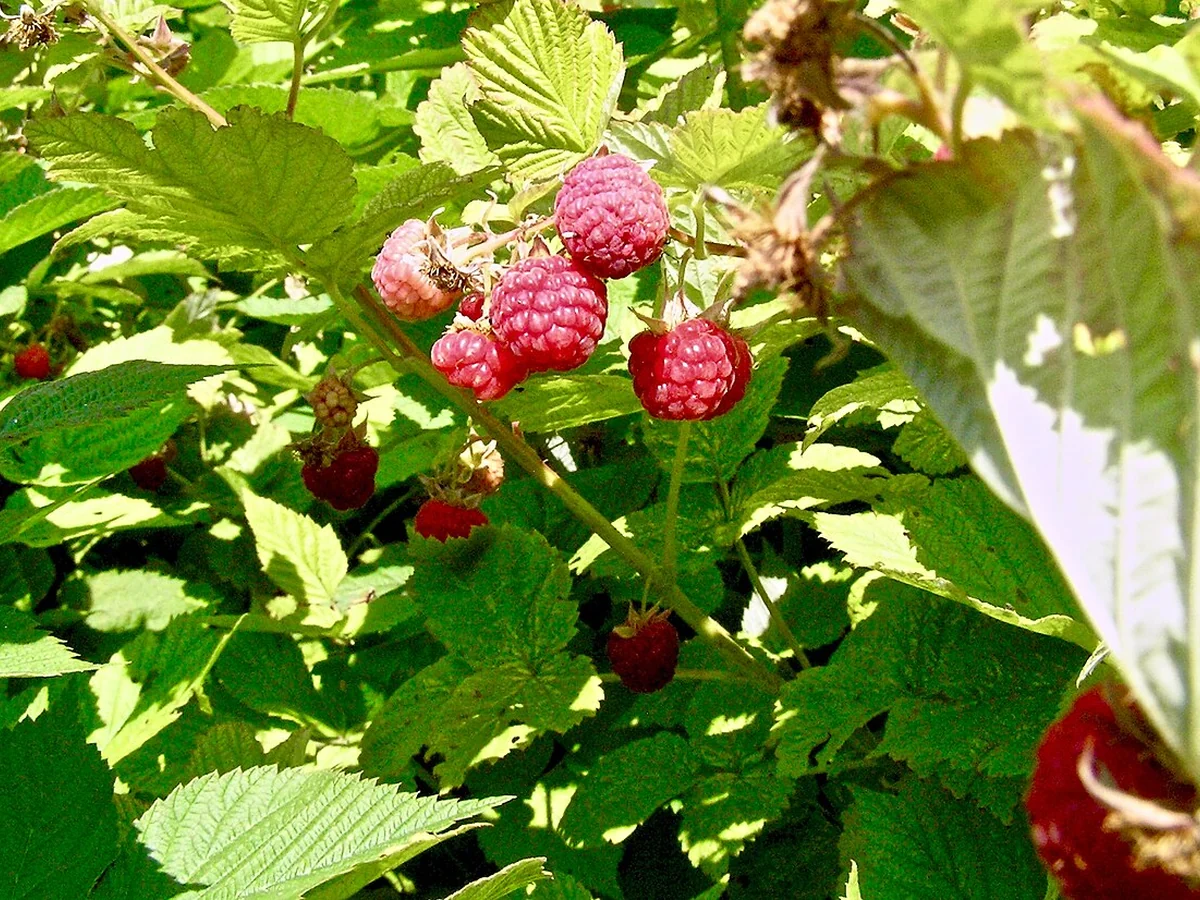
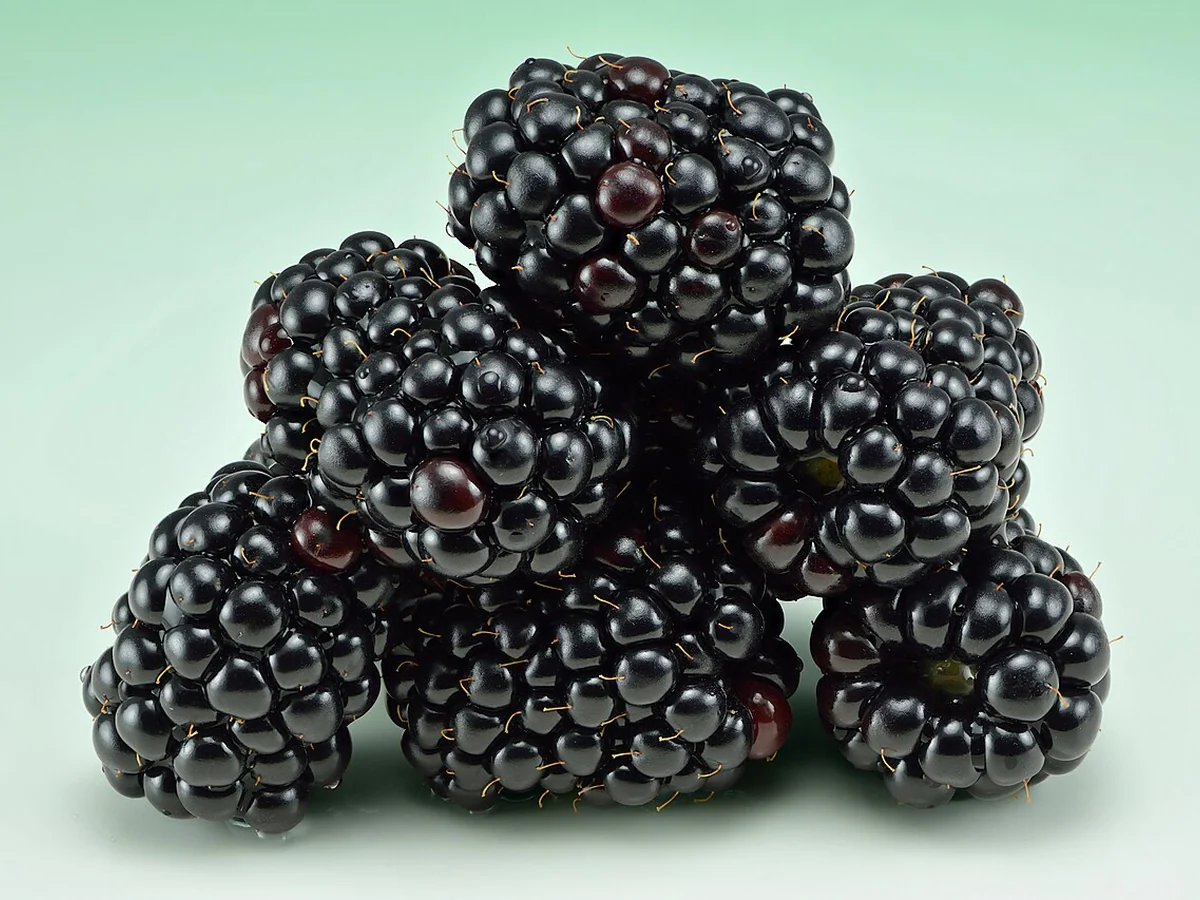
Compare leaf patterns, flowers, ripening fruit and mould on strawberries, blueberries, raspberries and blackberries.
Berries
Inspect strawberry leaves, flowers and developing fruit. Some leaf disorders also affect fruit firmness or encourage rotting in a damp canopy.
Berries
Compare young and older blueberry leaves, then inspect the root zone and ripening fruit. Leaf colour alone does not confirm a nutrient deficiency.
Berries
Inspect raspberry leaves, canes and developing fruit together. Compare leaf age and check whether symptoms follow the canopy, canes or fruit.
Berries
Check blackberry leaves, canes and ripening fruit for separate nutrition, pest and mould symptoms. Inspect shaded growth as well as the canopy surface.
Plant group
Investigate leaf symptoms, tip damage, pests and mildew on lettuce, spinach, cucumbers and brassicas.
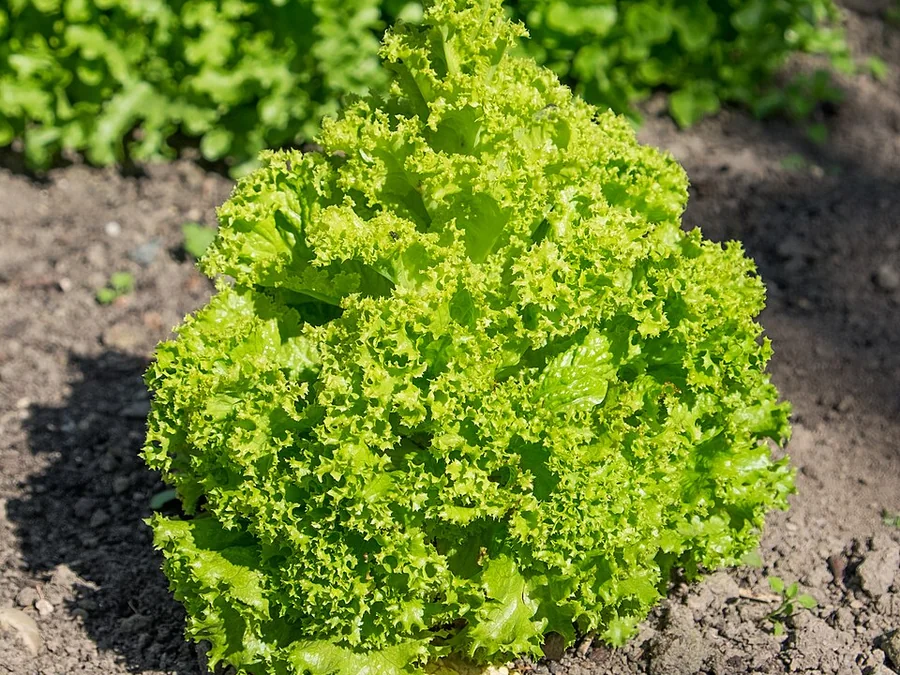
Veggies
Lettuce grows quickly, so compare the inner new leaves with older outer leaves and check whether damage follows the leaf margin.
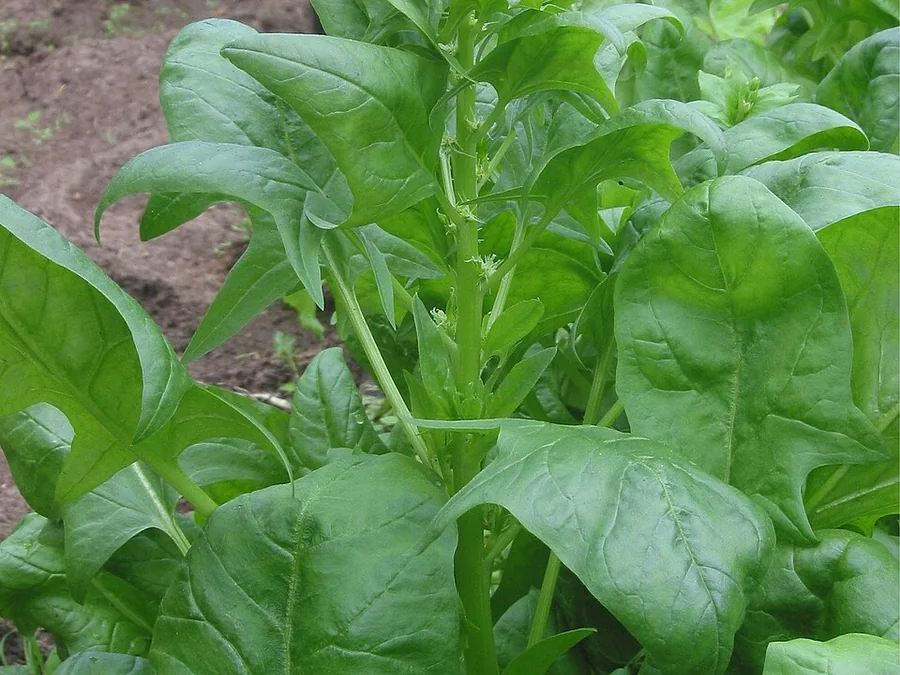
Veggies
Use the age and pattern of spinach leaf yellowing to guide the diagnosis, then inspect the root zone and leaf undersides.
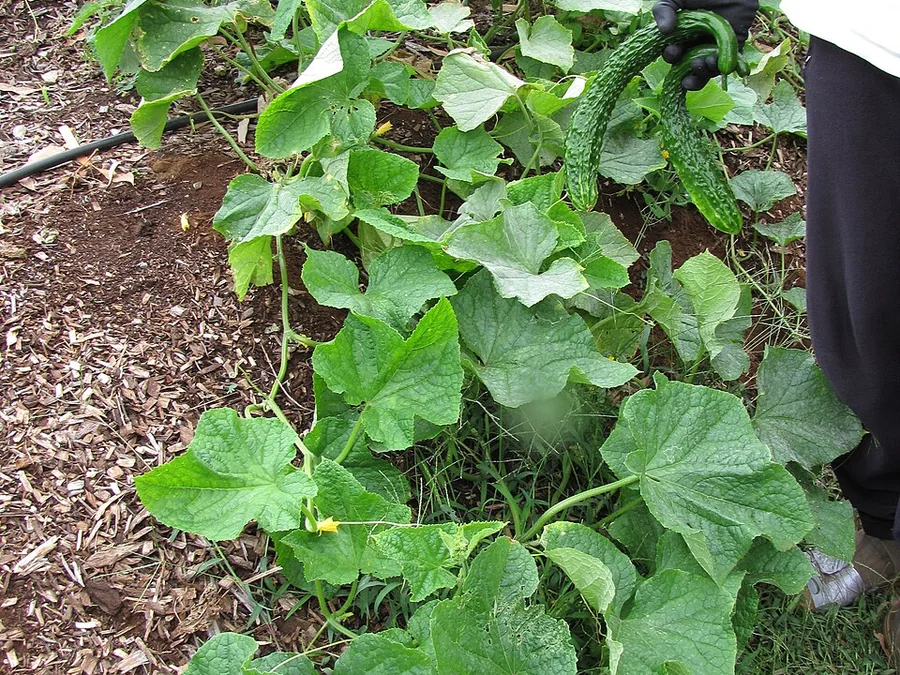
Veggies
Inspect cucumber leaves, vines and fruit for separate nutrition, pest and mildew symptoms. Check shaded leaves as well as the top of the canopy.
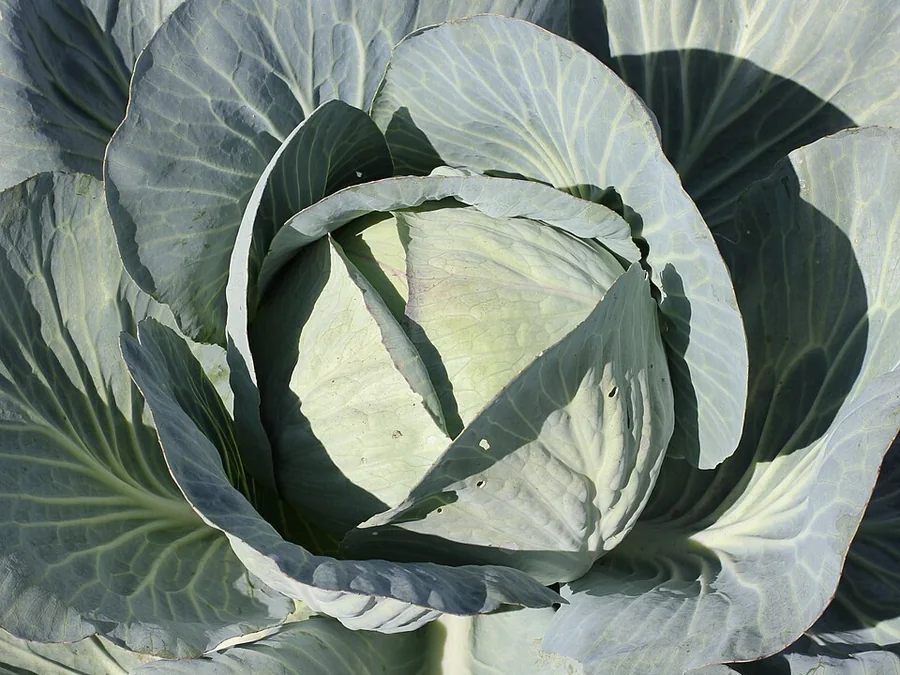
Veggies
Compare outer and inner leaves on cabbage and other brassicas, then inspect stems, roots and the undersides of leaves.
Plant group
Start with leaf patterns and root-zone conditions on citrus, dwarf fruit trees, olives and figs.
Orchards
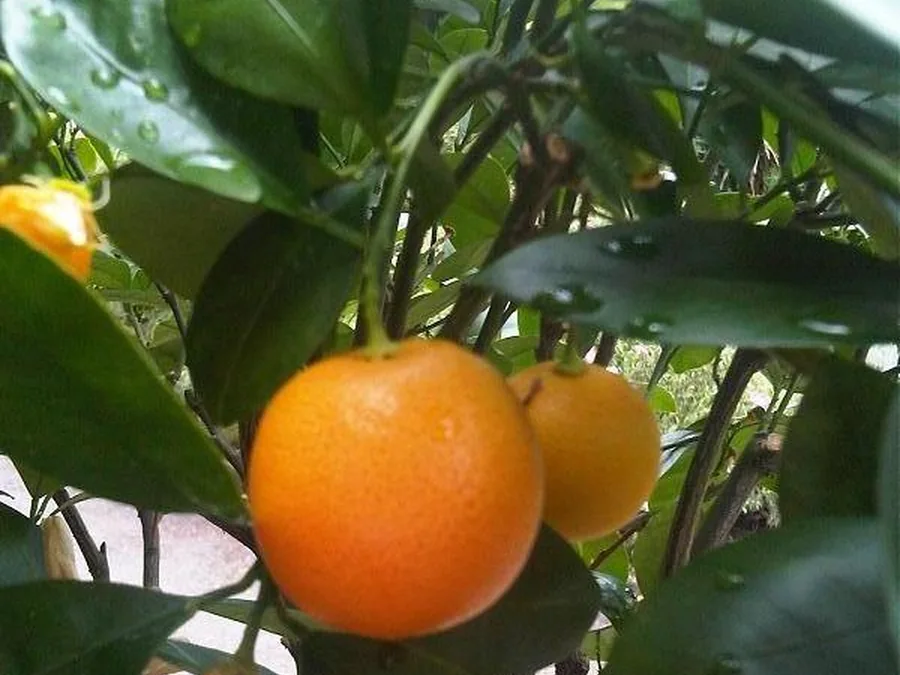
On citrus, leaf age and vein pattern are useful clues. Also check container drainage, root health and whether new growth differs from older foliage.
Orchards
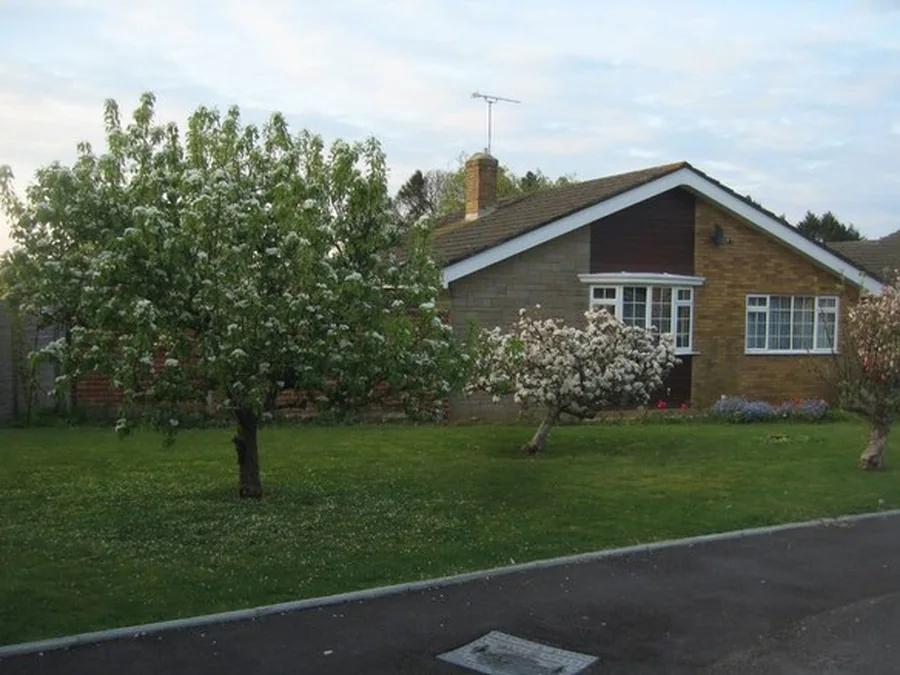
Inspect leaves, shoots, flowers and fruit on container-grown dwarf trees. Root-zone conditions can produce symptoms that resemble a nutrient deficiency.
Orchards
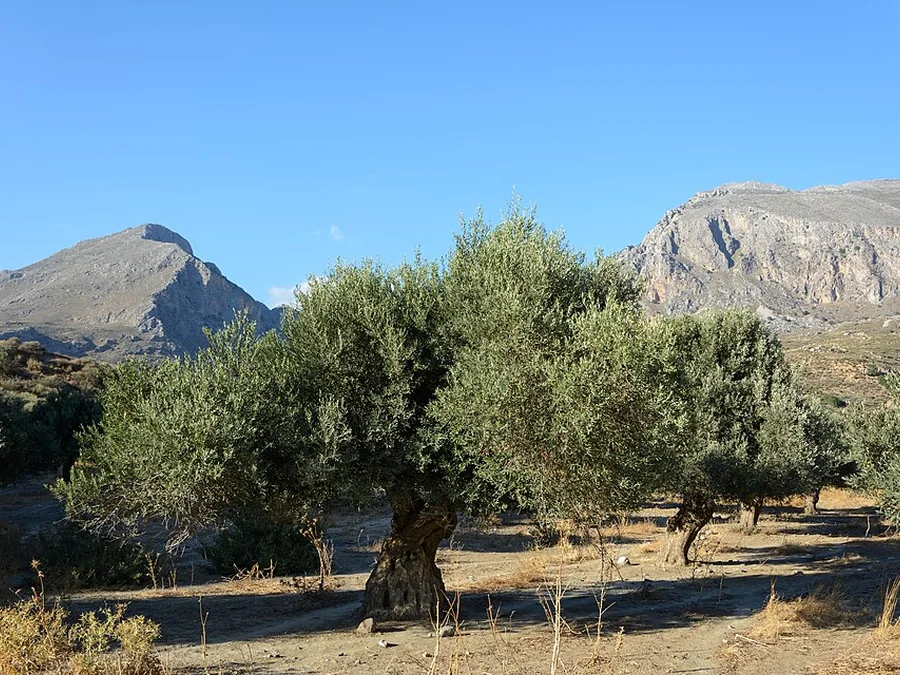
Check olive leaf colour alongside drainage and root conditions. Avoid treating every pale leaf as a deficiency without first checking the pattern.
Orchards
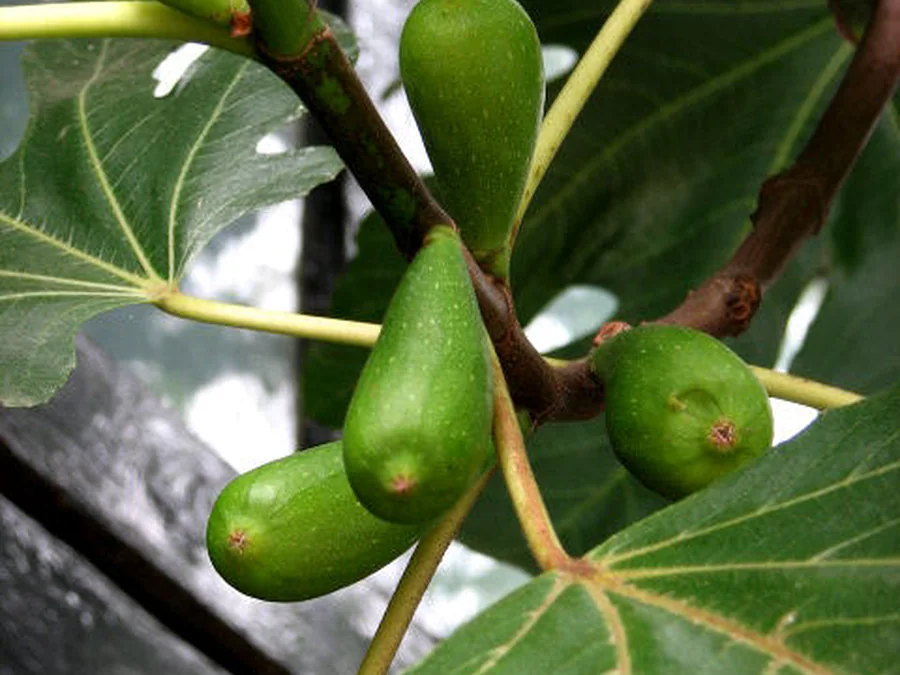
Inspect fig leaves, developing fruit and the container root zone. Yellowing and leaf damage can follow nutrition, water or pest problems.
Plant group
Compare symptoms on cannabis, Aloe vera and aromatic plants including lavender and chamomile.
Medicine
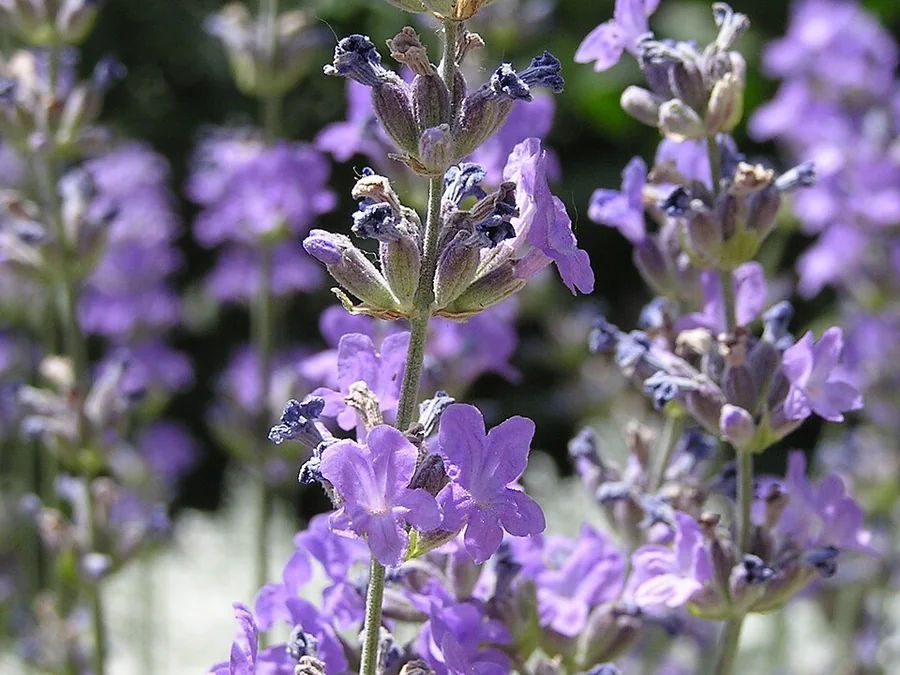
For lavender grown for fragrance or essential oil, inspect foliage, stems and the root zone. Do not transfer cannabis feeding rates or flowering timings to lavender.
Medicine
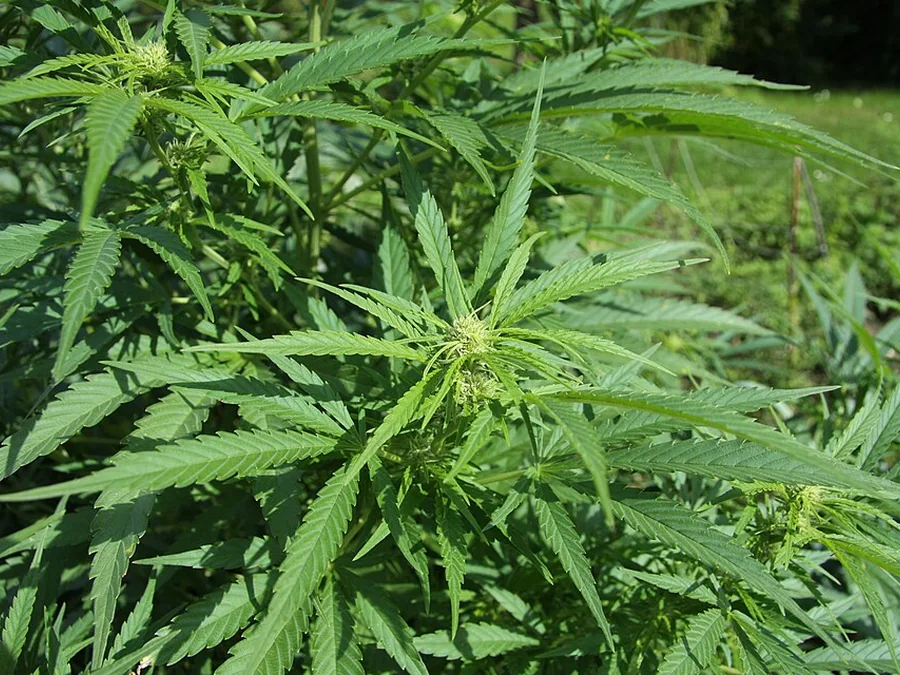
Match cannabis leaf, flower, pest and mould symptoms with the existing photo guide and the official Vitaponix ten-week feeding chart.
Medicine
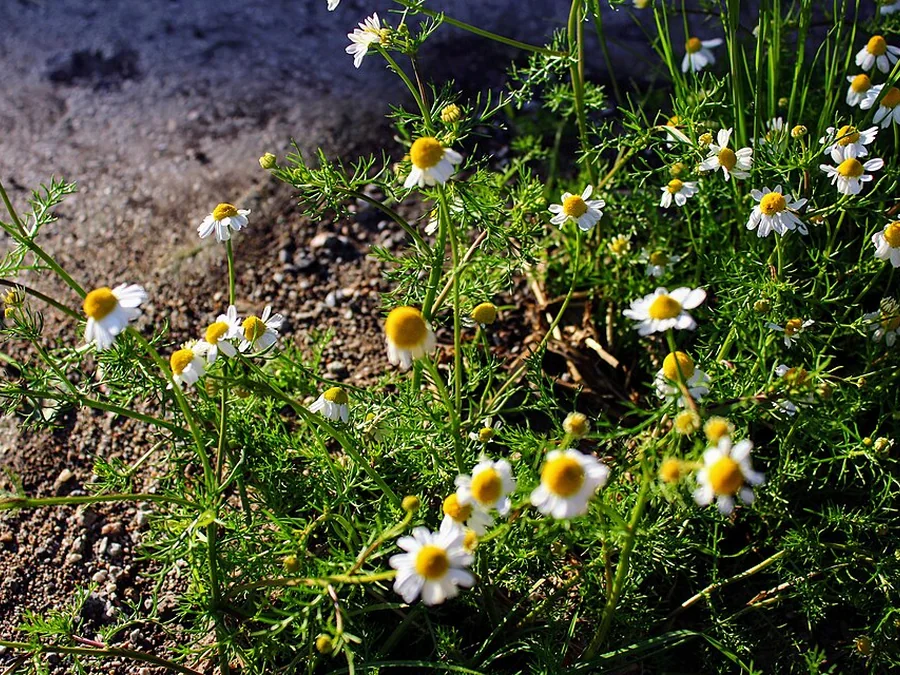
For chamomile grown for flowers, compare leaf symptoms and inspect flowers separately. Use a feeding approach suited to chamomile rather than cannabis timings.
Medicine
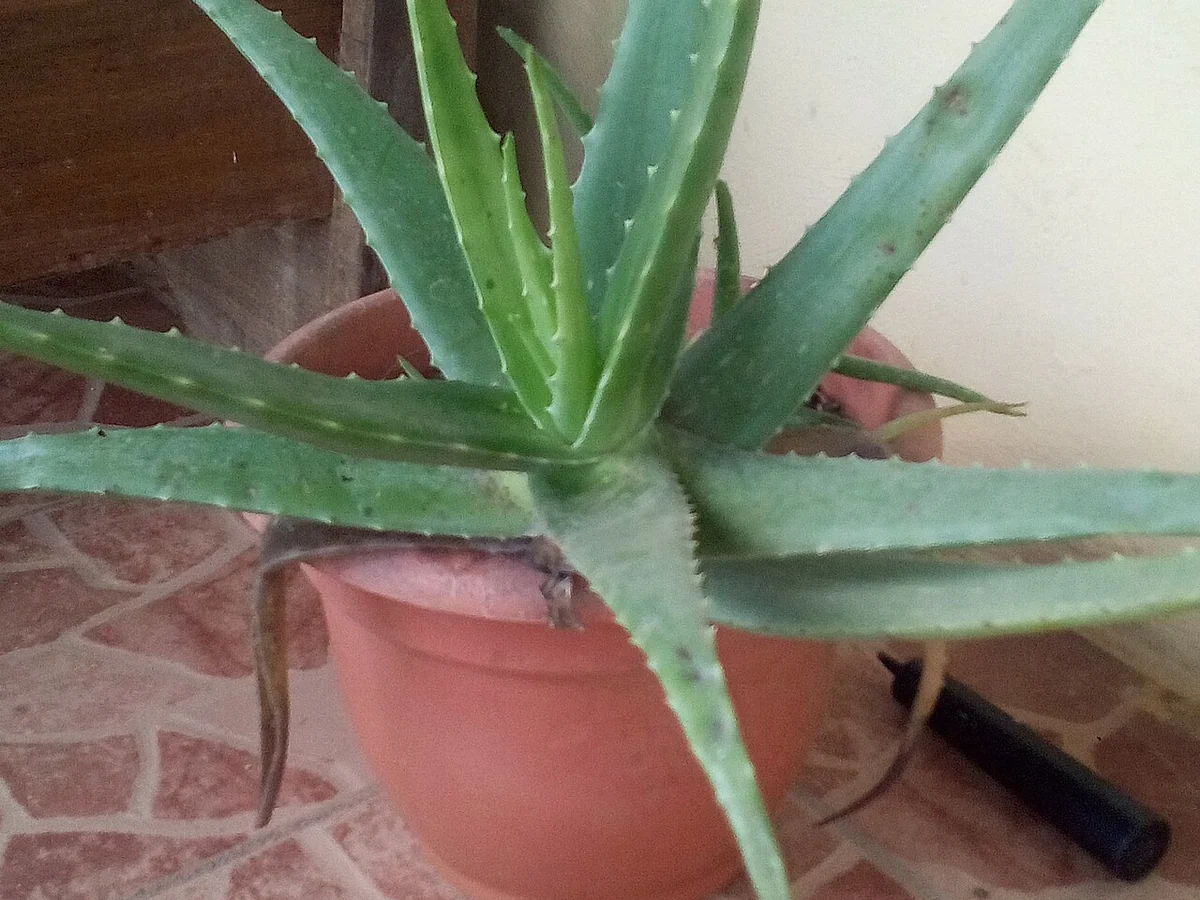
Inspect aloe vera's thick leaves and root zone together. Discolouration, soft tissue and brown tips can follow watering, root or nutrition problems.
External research for further reading. Wageningen University & Research does not endorse Vitaponix or the guidance on this page.
Symptoms are clues, not a diagnosis from a photograph alone. Vitaponix nutrients provide plant nutrition; they are not pesticides or fungicides. Cannabis feeding rates and light timings stay on the cannabis guide and are not applied to other crops.