
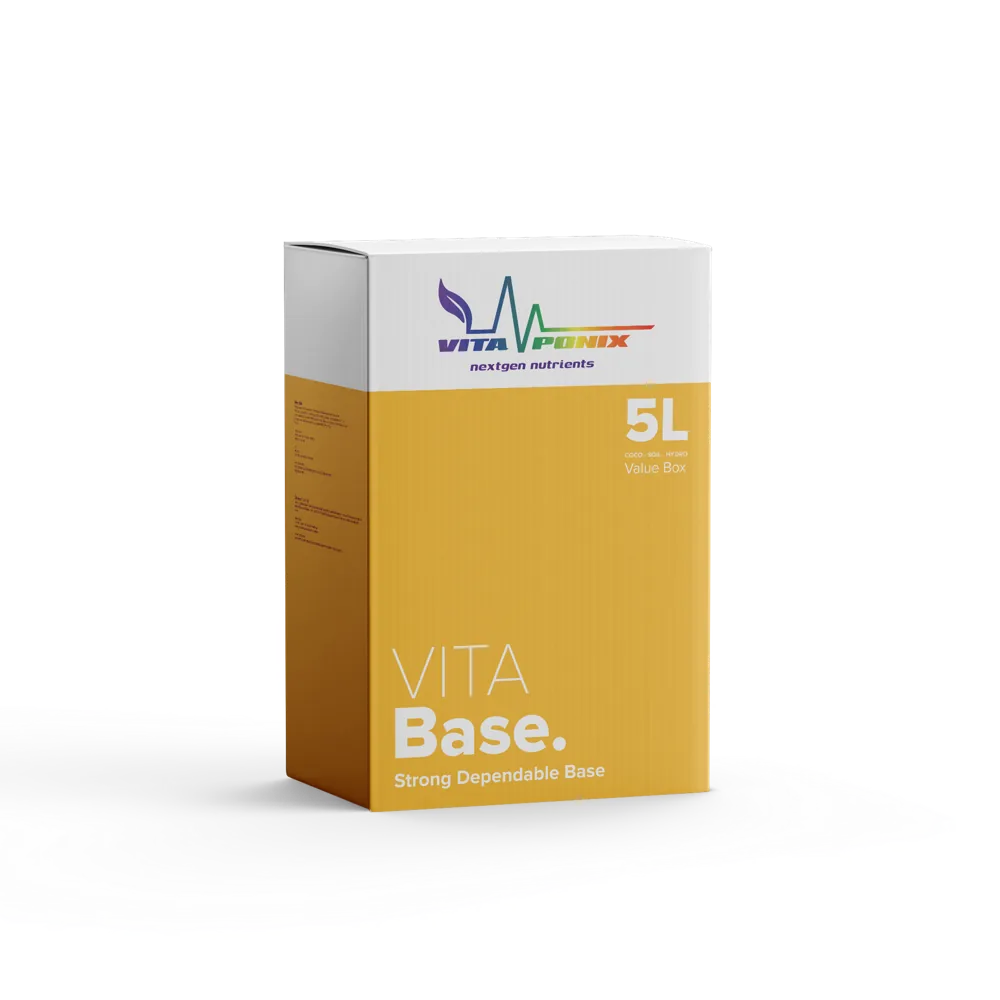
Fundament · Wegetacja + Kwitnienie
VitaBase™
Podstawowa, szerokopasmowa matryca składników odżywczych.
VitaBase dostarcza pełny język pierwiastków, którego roślina potrzebuje do wyrażenia swojego potencjału genetycznego. Farmaceutyczna, chelatowana matryca NPK bez wypełniaczy — fundament, na którym opiera się każdy sygnał Vitaponix.
- Wysoce rozpuszczalny — natychmiast biodostępny
- Chelatowany dla szybszego wchłaniania
- Bez wypełniaczy, bez zbędnych chemikaliów
- Stabilny profil NPK przez fazę wegetacji i kwitnienia
- Objętość
- 1L · 5L · 20L
- Format
- Koncentrat
- Etap
- Wegetacja + Kwitnienie
- Opatentowane
- Tak
Pricing
Prices shown for Poland in AUD
Find it in a shop
Checking shop stock…
Pochodzenie
Pozyskane z natury
Morskie pierwiastki śladowe, minerały wulkaniczne i azot atmosferyczny rafinowane do precyzyjnego profilu bazowego.
Sygnalizacja
Inteligencja biologiczna
Zapewnia podstawową dostępność jonów pierwiastków, dzięki czemu każda kolejna ścieżka sygnalizacyjna zaczyna się z pełną rozdzielczością biologiczną.
Zastosowanie
Kiedy stosować
Stosowany na każdym etapie jako podstawowe nawożenie.
Gwarantowana analiza
Sygnatura pierwiastkowa
N 20% · P₂O₅ 20% · Fe 0.05% · Mn 0.03% · B 0.01% · Cu 0.013% · Mo 0.005% · Zn 0.025%
Wskazówki
Sposób stosowania
Dodawaj VitaBase przez cały cykl wzrostu zgodnie z harmonogramem nawożenia Vitaponix dla gleby, kokosu lub hydro. Użyj 2–6 ml na litr. Zawsze dodawaj każdą część osobno i dobrze wymieszaj. Przejdź na VitaBulk w ostatnich tygodniach kwitnienia.
Frequently asked questions
Knowledge
What is photocatalysis and how it works
The mechanism behind light-driven catalysis, the photocatalysts involved, and why it matters for nutrient chemistry.
What is photocatalysis and how it works →
Kompatybilne z
Pełny biologiczny język Vitaponix.
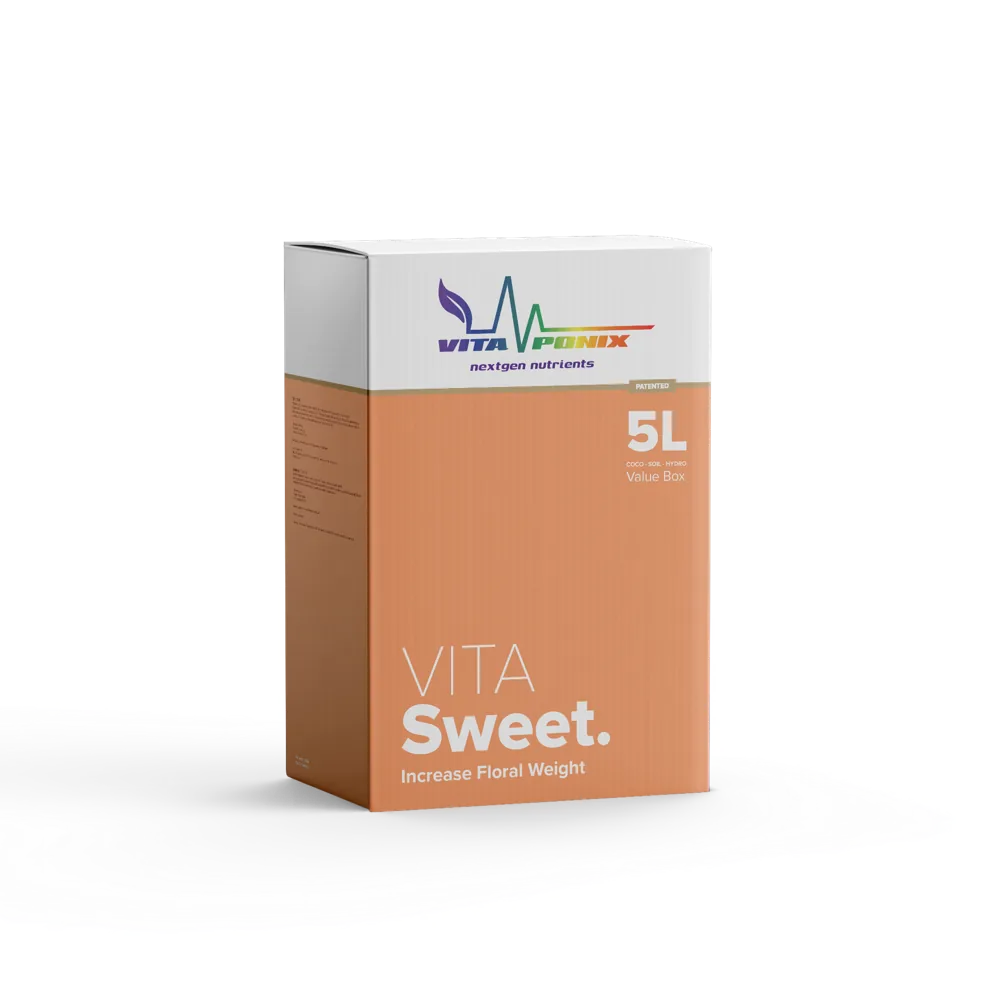
Kwitnienie · Środkowe–Późne Kwitnienie
VitaSweet™
Sygnalizacja węglowodanowa i wzbogacanie metabolitów.
Plan produkcji kwiatów jest tworzony w pierwszych tygodniach kwitnienia. VitaSweet wykorzystuje opatentowane aktywatory, aby uczynić minerały odpowiedzialne za podział komórkowy super-mobilnymi — wzrasta wewnętrzny poziom cukru, nasila się wchłanianie składników odżywczych, a liczba komórek dramatycznie wzrasta.
- Mobilizuje minerały do podziału komórkowego poprzez chemię aktywatorów
- Podnosi wewnętrzny poziom cukru i wchłanianie składników odżywczych
- Dramatycznie zwiększa liczbę komórek we wczesnej fazie kwitnienia
- Ustanawia górną granicę dla ostatecznego rozmiaru kwiatu
Pricing
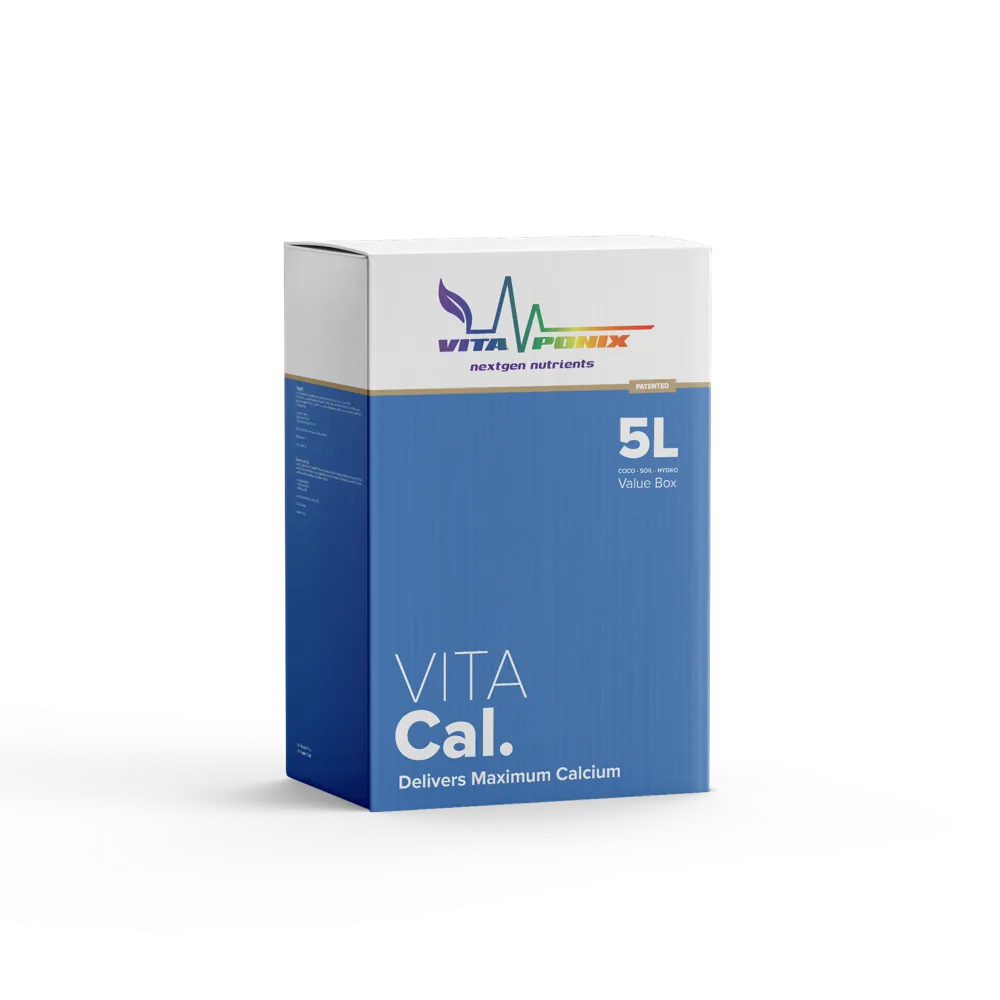
Struktura · Wegetacja + Kwitnienie
VitaCal™
Inteligencja wapnia i sygnalizacja strukturalna.
Wapń jest z natury nieruchomy — a roślina z niedoborem pokazuje to w postaci martwych plam, zwiniętych końcówek i słabego wiązania kwiatów. VitaCal wykorzystuje opatentowaną technologię aktywatora do mobilizacji i redeponowania wapnia w całej roślinie, wzmacniając każdą ścianę komórkową i odblokowując głównego wtórnego przekaźnika w biologii roślin.
- Redeponuje wapń w całej roślinie
- Wzmacnia ściany komórkowe i tkankę strukturalną
- Eliminuje przypalenia końcówek, martwe plamy i marmurkowatość
- Produkuje bardziej wydajną, bardziej odporną roślinę
Pricing
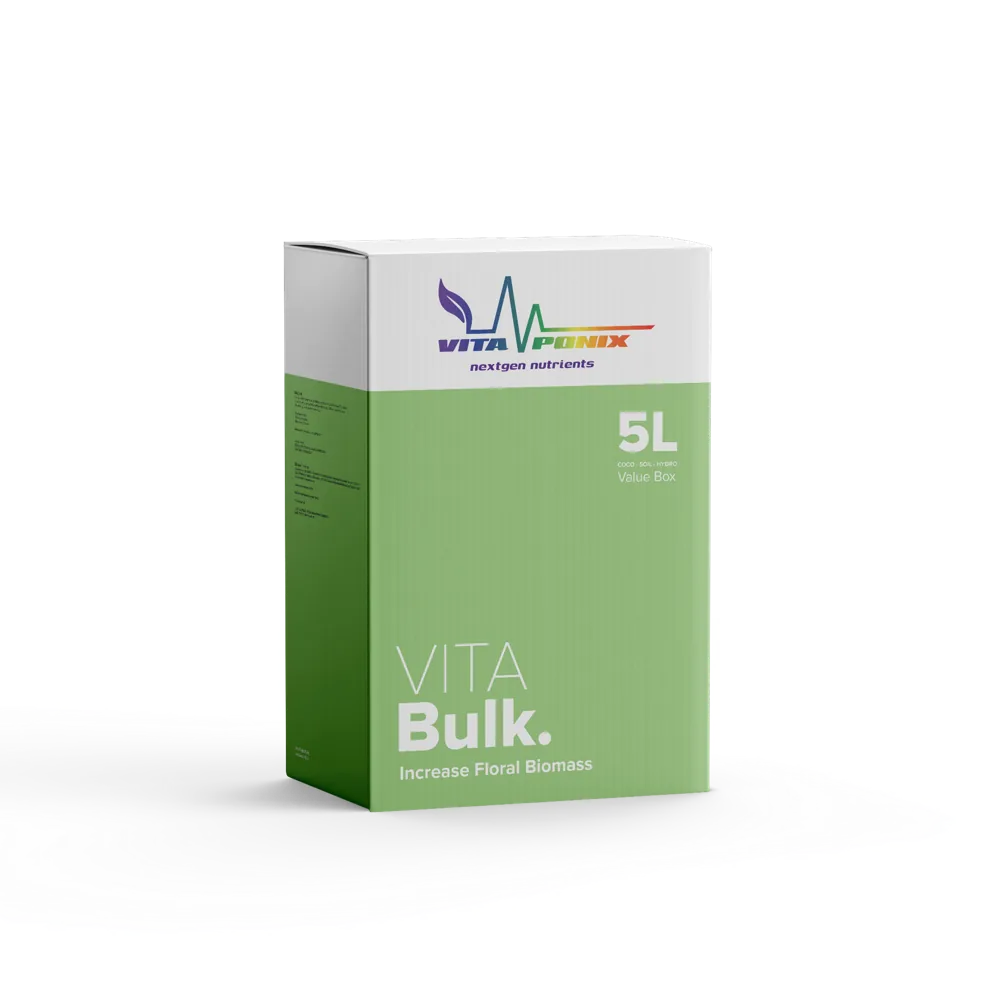
Kwitnienie · Środkowe Kwitnienie
VitaBulk™
Ekspansja komórkowa i masa strukturalna.
Zapotrzebowanie roślin na składniki odżywcze zmienia się w momencie rozpoczęcia intensywnego kwitnienia. VitaBulk zmienia stosunek NPK — gwałtownie zwiększając potas i fosfor, aby napędzać podział komórek, gęstość kwiatów i biomasę strukturalną uprawy w szczycie masy.
- Zwiększa podział komórek podczas szczytu masy
- Kieruje roślinę w stronę intensywnego kwitnienia
- Wyższa gęstość pąków i kwiatów
- Zmienia profil NPK dla cyklu 12-godzinnego
Pricing
Kwitnienie · Późne Kwitnienie
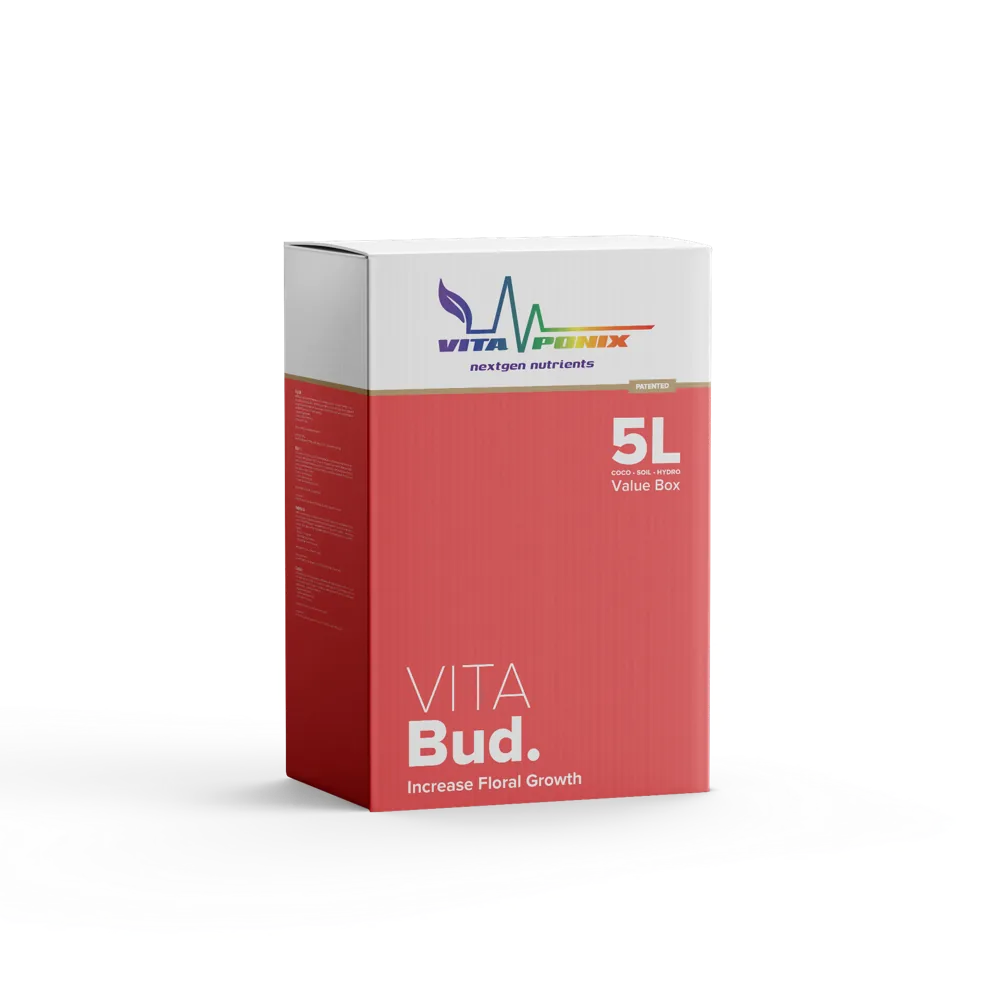
VitaBud™
Wiązanie kwiatów i sygnalizacja reprodukcyjna.
Uprawy często zatrzymują się na ostatnim odcinku — dokładnie wtedy, gdy decyduje się plon. Opatentowana technologia aktywatora VitaBud zwiększa fotosyntezę i wykorzystanie magnezu, kierując cukry do miejsc pąków, dzięki czemu kwiaty nadal pęcznieją i zagęszczają się aż do ostatniego tygodnia cyklu.
- Zwiększa zawartość chlorofilu i tempo fotosyntezy
- Wzmacnia wykorzystanie magnezu
- Zwiększa gęstość i rozmiar pąków w końcowej fazie kwitnienia
- Wyższy plon i wyższa jakość końcowa
Pricing
Wykończenie · Późne Kwitnienie
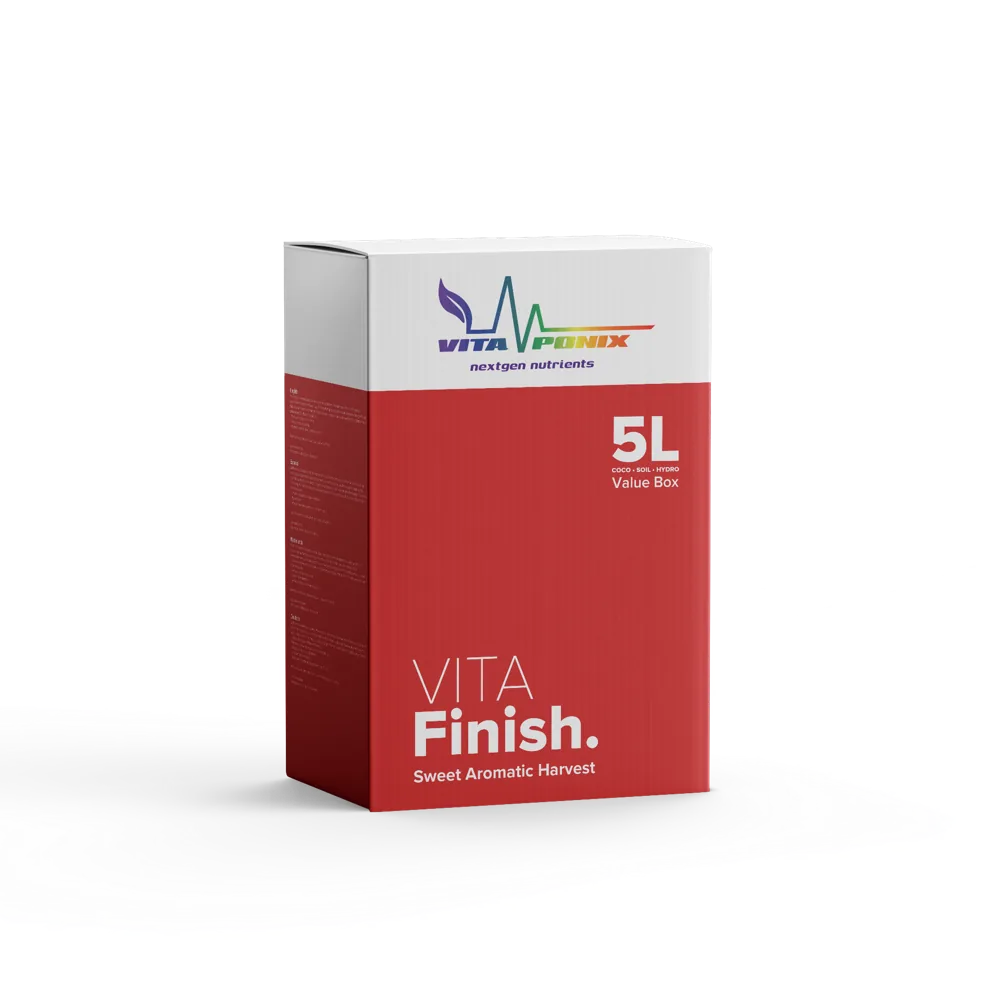
VitaFinish™
Późne udoskonalenie i rozdzielczość metabolitów.
Terpeny to język obrony rośliny — i źródło aromatu, smaku oraz wartości końcowej. VitaFinish bezpiecznie wywołuje tę reakcję obronną poprzez precyzyjną mieszankę sacharydów, alkoholi i akceleratorów, przesuwając syntezę metabolitów wtórnych do szczytowego wyrażenia przed zbiorami.
- Wzmacnia produkcję aromatyczną i terpenową
- Poprawia złożoność związków smakowych
- Wzmacnia naturalną reakcję obronną rośliny
- Podnosi końcową wartość uprawy
Pricing
Struktura · Wszystkie etapy
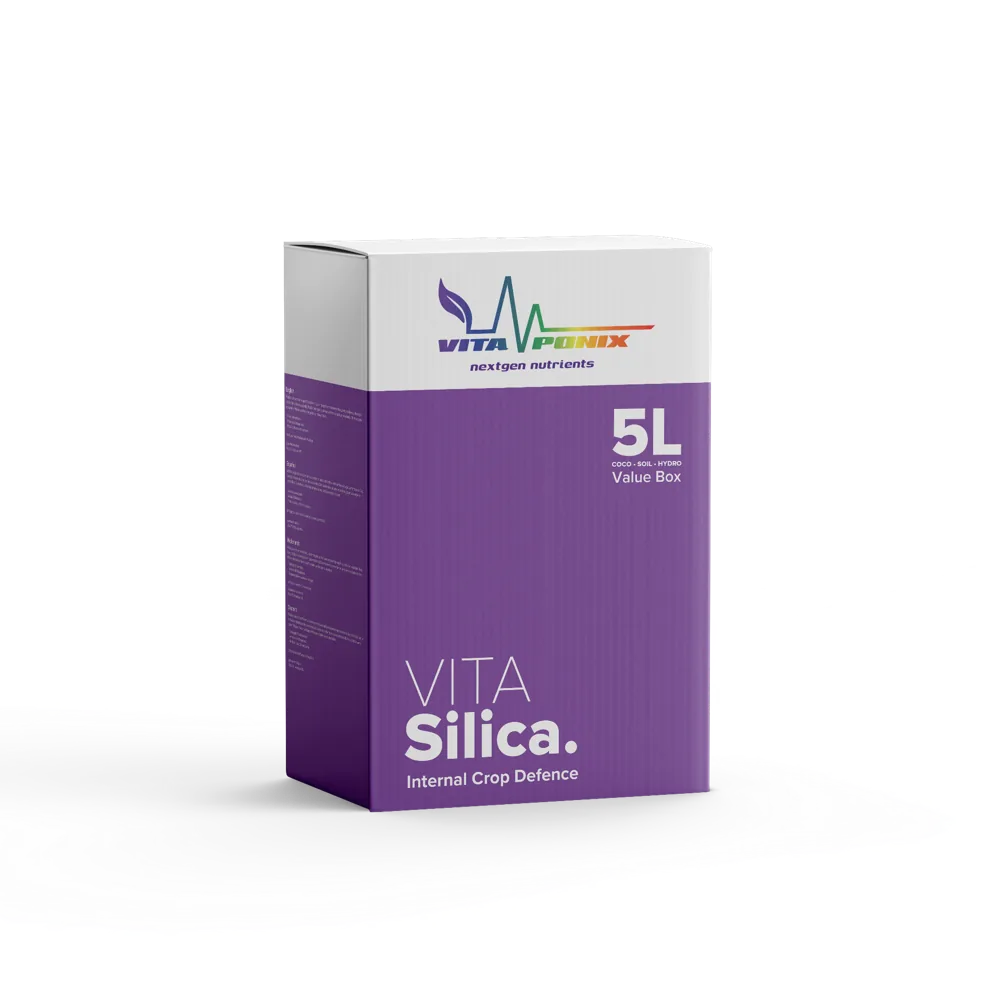
VitaSilica™
Wzmocnienie komórek i odporność na stres.
VitaSilica buduje wewnętrzną warstwę pancerza. Wysoce rozpuszczalna forma krzemu wzmacnia ściany komórkowe i wzmacnia Systemową Odporność Nabytą — sieć odpornościową rośliny opartą na sygnałach — dzięki czemu uprawa jest przygotowana na wszelkie warunki środowiskowe, szkodniki czy patogeny.
- Zwiększona odporność na szkodniki i choroby
- Zwiększa efektywność fotosyntezy
- Produkuje grubsze korzenie i łodygi
- Wzmacnia naturalną sieć obronną rośliny
Pricing
Zestaw · Wszystkie etapy
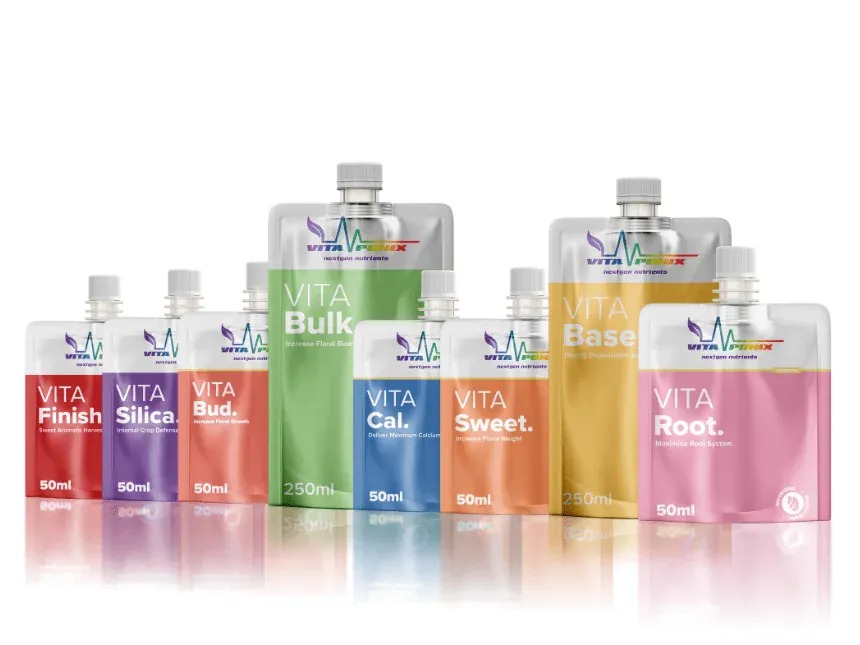
Vitaponix Starter Pack™
Wypróbuj cały język biologiczny w jednym pudełku.
Zestaw startowy Vitaponix zawiera wszystko, czego potrzebujesz, aby wypróbować kompletny program biologiczny: VitaRoot, VitaBase, VitaSweet, VitaCal, VitaBulk, VitaBud, VitaFinish i VitaSilica w rozmiarach do testów, plus Vita Rooting Dip do sadzonek. To najszybszy sposób, aby doświadczyć, jak osiem składników współpracuje ze sobą — a 30 € wydane na zestaw zostanie zwrócone, gdy później zamówisz pełną linię po przetestowaniu.
- Wypróbuj każdy etap programu Vitaponix w jednym zakupie
- Rozmiary próbne idealne do małych namiotów, klonów i eksperymentów
- Zawiera wszystkie osiem podstawowych składników plus dip do ukorzeniania
- 30 € zwrotu, gdy kupisz pełną linię po przetestowaniu zestawu
Pricing
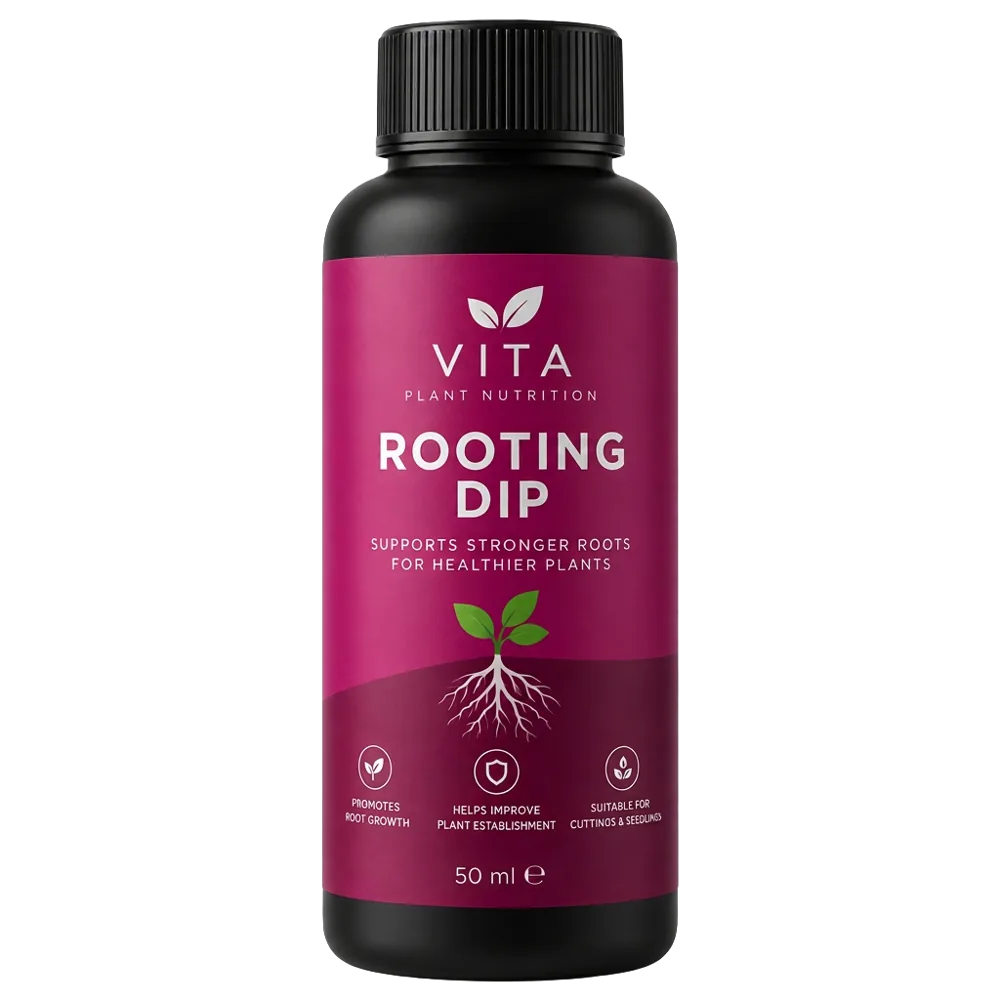
Fundament · Rozmnażanie
Vita Rooting Dip™
Ukorzeniaj sadzonki szybciej, z mniejszymi stratami.
Rozmnażanie to moment, w którym uprawa zostaje wygrana lub przegrana. Vita Rooting Dip przygotowuje każdą sadzonkę z sygnałowymi związkami, których potrzebują początkowe korzenie, dzięki czemu wskaźniki ukorzeniania rosną, a cała partia opuszcza rozmnażalnik razem.
- Szybsze, bardziej równomierne wskaźniki ukorzeniania
- Mniej strat w rozmnażaniu
- Silniejsze zalążki korzeni przed przesadzeniem
- Działa z każdym podłożem do rozmnażania
Pricing
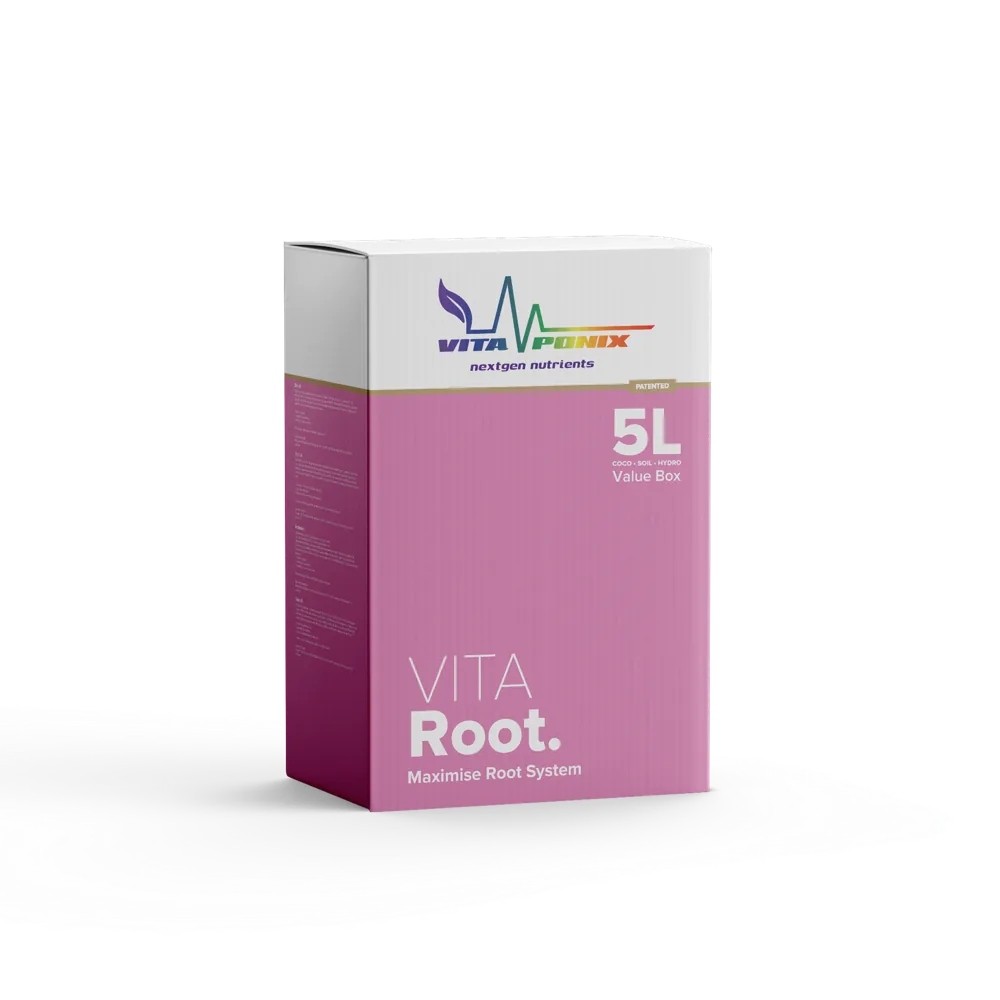
Fundament · Wczesna Wegetacja
VitaRoot™
Wzmocnij system korzeniowy do maksimum!
Ostateczny plon decyduje się pod ziemią. VitaRoot łączy opatentowane aktywatory biostymulujące z mobilnymi elementami mineralnymi, aby wywołać eksplozyjny rozwój ryzosfery – więcej masy korzeniowej to większe wchłanianie, więcej fotosyntezy, więcej plonu nad ziemią.
- Szybsze inicjowanie korzeni i rozgałęzianie boczne
- Zwiększa zdolność fotosyntezy nad ziemią
- Tworzy większy, gęstszy system korzeniowy
- Chemia aktywująca mobilizuje kluczowe minerały przy kontakcie
Pricing